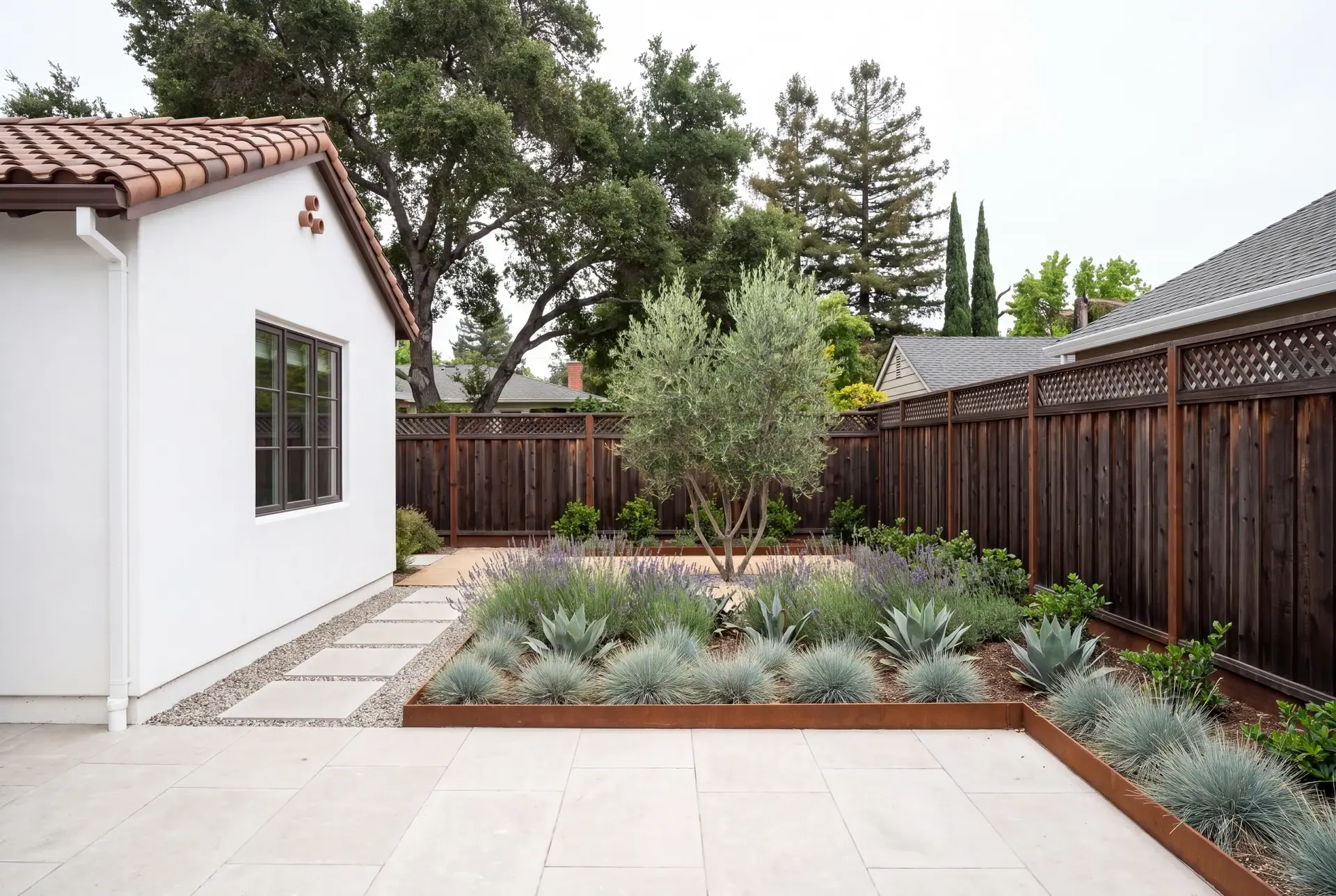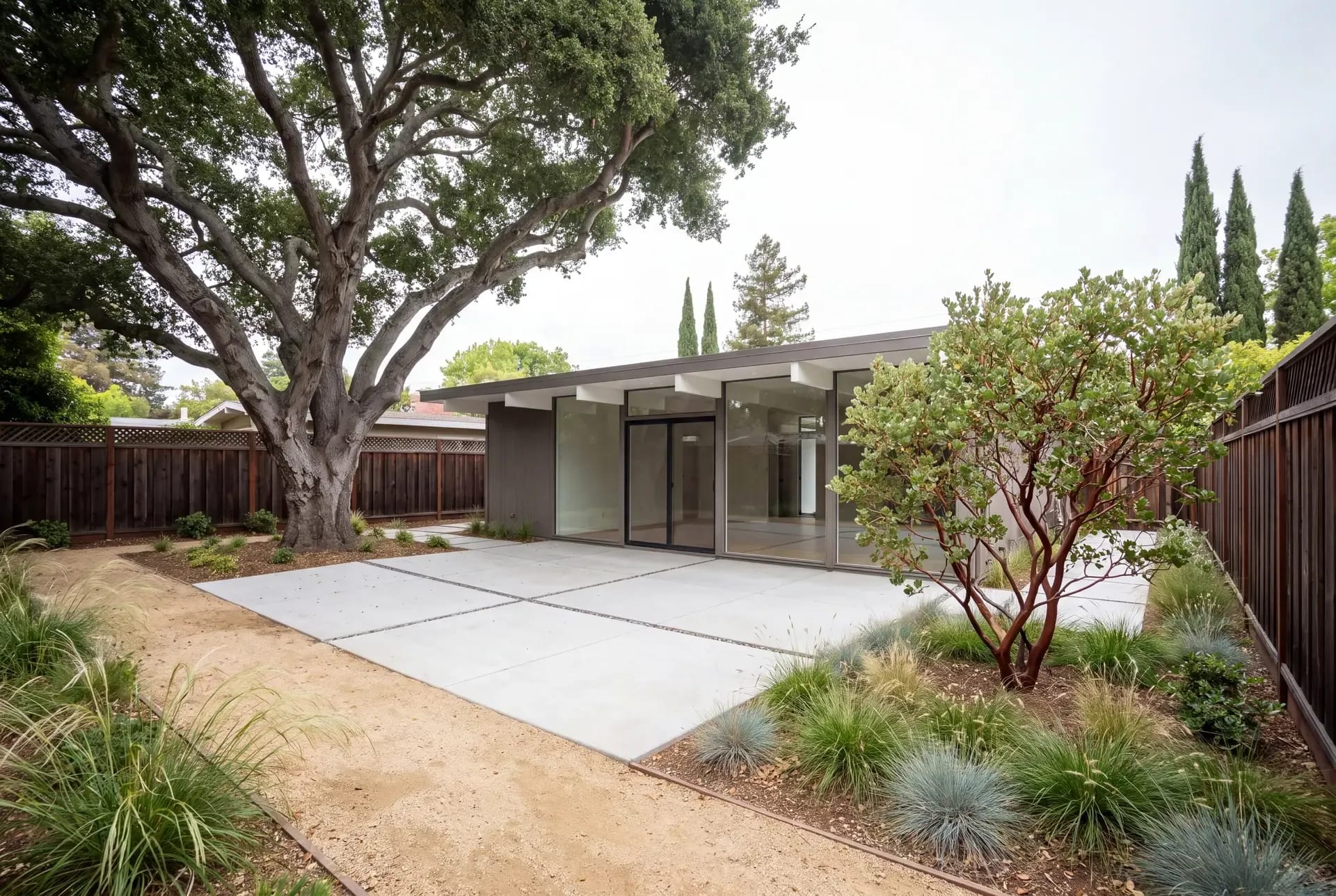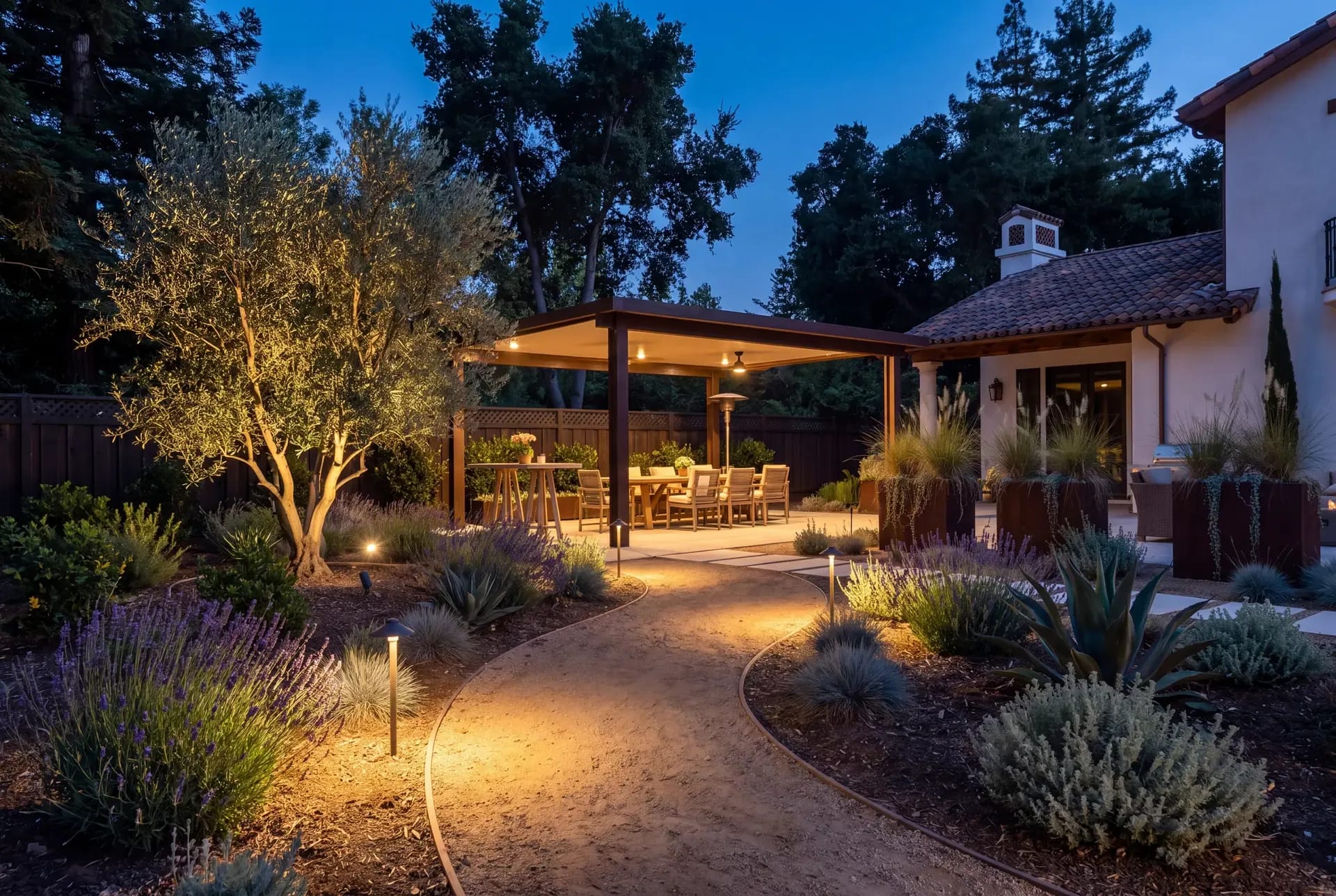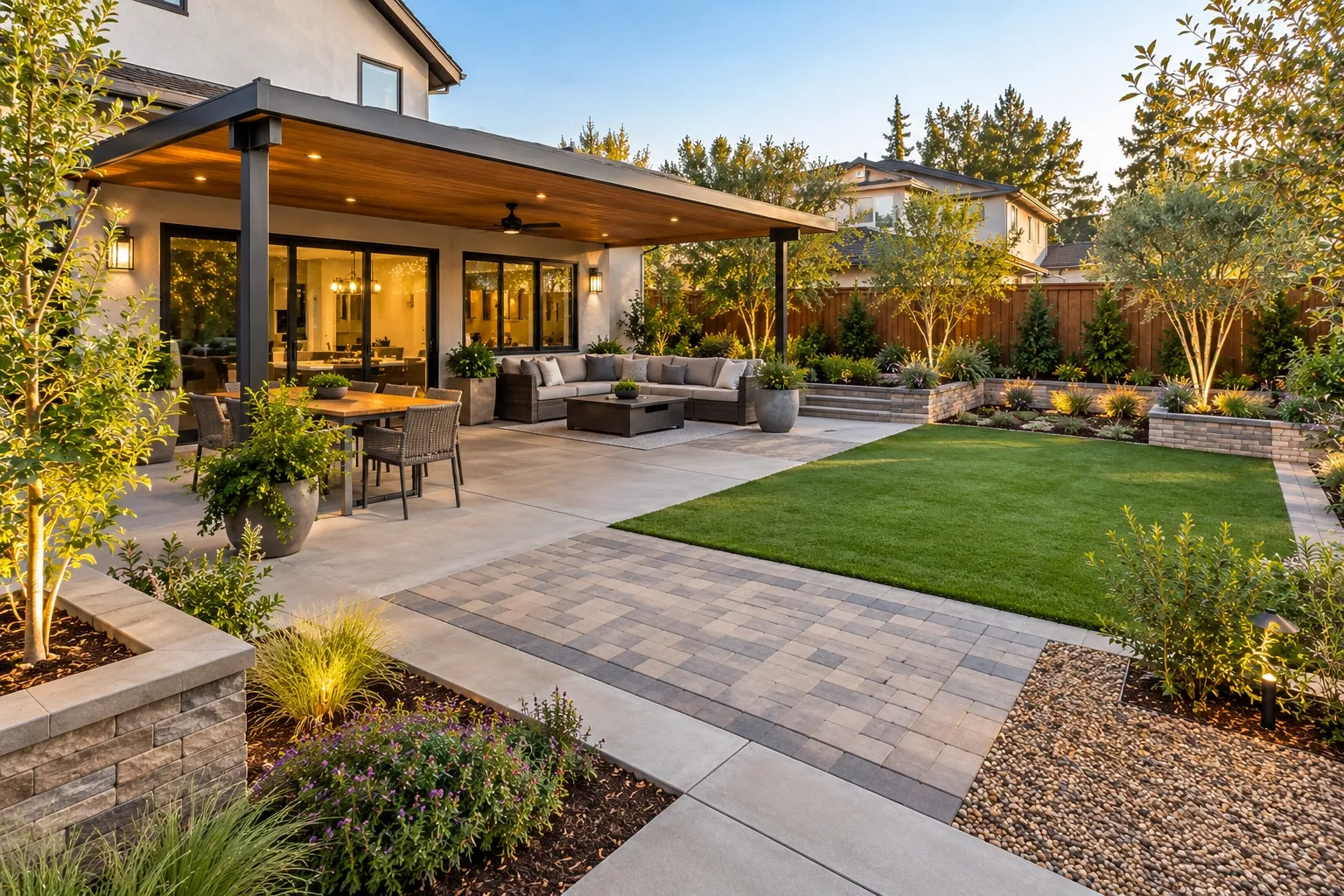
The cost of a backyard remodel in the Bay Area depends on the size of your property, the materials you choose, and the features you want to add. A simple landscaping update costs less than a complete outdoor transformation with a patio, deck, outdoor kitchen, or pool.
Your total budget should account for design, site preparation, materials, labor, and any required permits. Understanding these expenses before construction helps you set realistic expectations and make informed decisions. This guide explains typical project budgets, the factors that affect pricing, and how to obtain an accurate backyard remodeling estimate.
Average Backyard Remodeling Costs in the Bay Area
Backyard remodeling costs vary widely across the Bay Area. Small projects may focus on improving an existing space, while larger renovations involve several construction features and extensive landscaping.
The following figures are rough planning estimates, not verified local averages or contractor quotes. Actual costs depend on property conditions, project specifications, and current labor and material prices.
Project scope | Illustrative budget range |
|---|---|
Small backyard refresh | $5,000–$20,000 |
Mid-range backyard renovation | $20,000–$60,000 |
Large backyard transformation | $60,000–$150,000+ |
These ranges are intended to help with initial planning. They are not guaranteed prices, and projects involving pools, major structural work, or complex site conditions may exceed them.
Small Backyard Remodels
A small backyard remodel typically focuses on a few improvements rather than a complete redesign. You might refresh an existing patio, replace a section of lawn with artificial turf, update planting beds, or improve a seating area.
Costs can remain more manageable when the existing layout is usable and the project requires little excavation or structural work. Keeping established plants and retaining suitable hardscape can also reduce demolition expenses.
For a smaller budget, prioritize improvements that make the space more functional. Replacing an entire patio may be unnecessary if the existing surface is in good condition and only the landscaping needs attention.
Mid-Range Backyard Renovations
A mid-range backyard renovation usually combines several features to create a more complete outdoor living space. Examples include a new paver patio, artificial turf, planting beds, landscape lighting, or a patio cover.
The budget depends on how many features you combine and how much preparation the property needs. A straightforward patio installation differs significantly from a project that requires grading, drainage improvements, and custom construction.
Planning all features together can help you coordinate materials, avoid duplicated work, and make better use of your available budget.
Large Backyard Transformations
Large backyard transformations may involve multiple construction features, such as an outdoor kitchen, deck, pool, spa, extensive hardscaping, or a covered entertainment area.
These projects require more detailed planning because several systems and construction stages must work together. Structural requirements, utility connections, drainage, access, and permitting can all affect the final price.
For a complex renovation, establish the overall scope before selecting finishes. This helps you understand the major cost commitments before investing in premium materials or optional upgrades.
What Factors Affect Backyard Remodeling Costs?
Two properties with similar backyard sizes can have very different remodeling costs. The main differences usually involve site conditions, design choices, construction requirements, and the amount of work needed.
Backyard Size and Existing Site Conditions
Larger backyards generally require more materials and labor when the entire area is being renovated. However, size alone does not determine the final price.
Sloped ground, poor drainage, difficult equipment access, and unsuitable soil can increase preparation costs. Removing old concrete, relocating existing features, or correcting drainage problems may also add to the budget.
Before choosing materials, assess the condition of the existing yard. Retaining usable surfaces and landscaping can help control costs, provided they fit the new design and remain in good condition.
Design Complexity and Material Selection
The materials and design features you choose have a direct effect on project costs. Basic concrete, decorative pavers, natural stone, composite decking, and custom-built features have different purchase and installation requirements.
A simple rectangular patio is generally less complex to install than one with intricate patterns, multiple levels, and custom borders. Similarly, a standard patio cover may require less work than a more elaborate structure.
Consider the appearance you want alongside maintenance requirements and long-term value. R&R Backyard Remodeling offers backyard design services that can help homeowners plan layouts, select materials, and coordinate outdoor features before construction begins.
Labor, Permits, and Site Preparation
Labor represents an important part of many backyard construction budgets. Installation complexity, contractor requirements, project duration, and access to the work area can all influence labor expenses.
Some projects also require permits, structural plans, inspections, or engineering. Requirements depend on the proposed work and the property's location. Pool construction, retaining walls, covered structures, and accessory dwelling units may involve additional approvals.
Site preparation is another expense to consider. Excavation, grading, drainage, demolition, and utility work can increase costs before the visible improvements are installed.
Allow time for planning and approvals when developing your schedule. The expected backyard remodeling timeline can vary according to project complexity and local requirements.
Backyard Remodeling Costs by Project Type
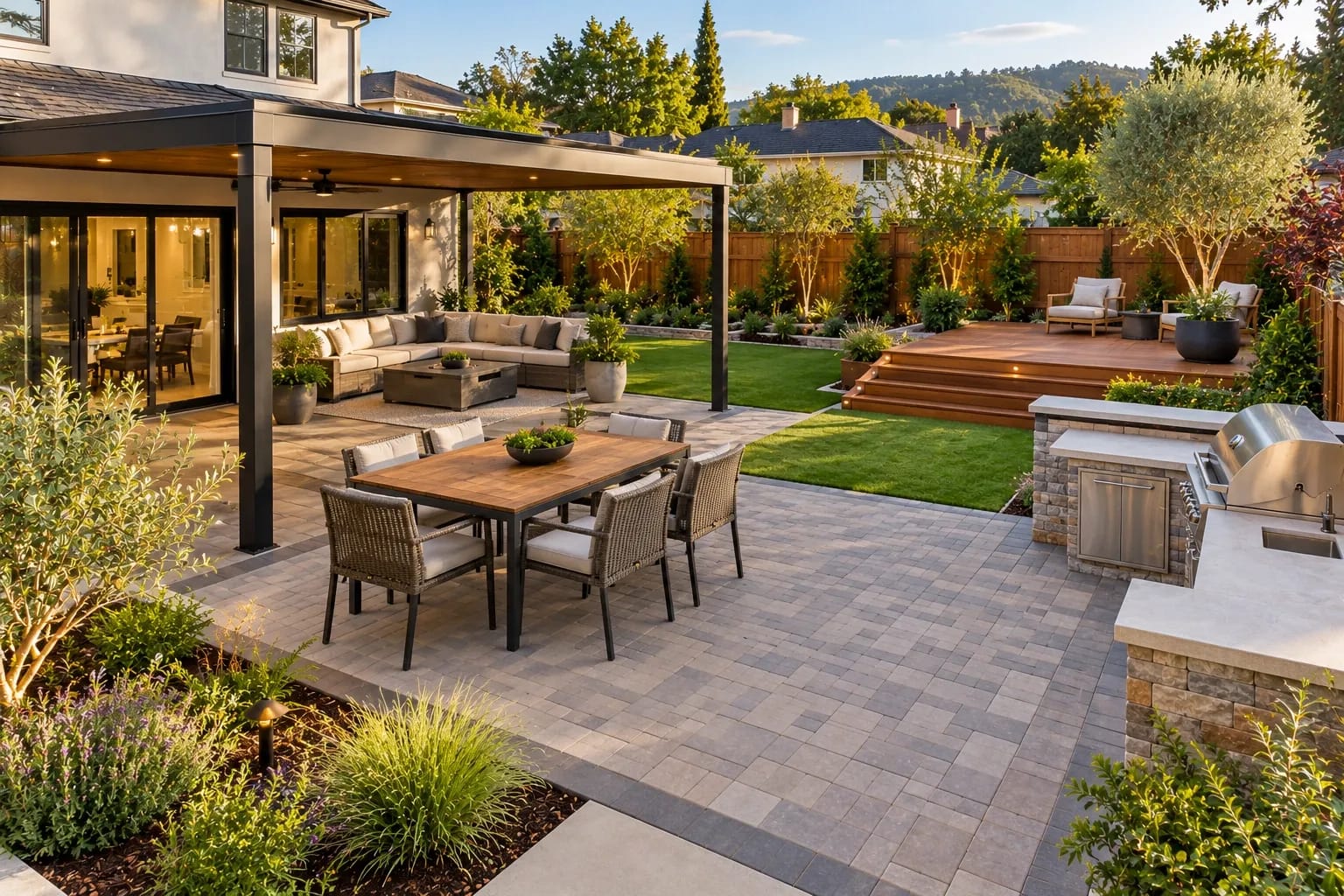
Individual features can consume a significant portion of your backyard remodeling budget. The following estimates provide a starting point for comparing common projects in the Bay Area. Actual costs vary based on the property's condition, project specifications, materials, and installation requirements.
Patio and Paver Installation Costs
Patio installation costs depend on surface area, material, site preparation, and installation method. A basic poured concrete patio may cost approximately $8–$20 per square foot, while concrete pavers may range from $15–$35 per square foot. Natural stone and intricate designs can cost more.
Paver patios require a properly prepared base, secure edging, and professional installation. Sloped ground, drainage problems, demolition, and difficult site access can increase the total.
To manage costs, choose a practical patio size and avoid unnecessary design complexity. If the existing surface remains sound, retaining part of it may be more economical than replacing the entire area.
Artificial Turf and Landscaping Costs
Artificial turf installation typically costs around $8–$18 per square foot, depending on turf quality, ground preparation, drainage, and installation complexity. Removing an existing lawn or correcting uneven ground can increase the total.
Landscaping costs vary considerably. A simple planting and mulch refresh might cost $2,000–$8,000, while a more extensive landscape renovation with irrigation, mature plants, and decorative features could cost $10,000–$30,000 or more.
Choosing plants suited to your property's sunlight, soil, and water conditions can support long-term maintenance goals. In wildfire-prone areas, landscaping choices should also consider local fire-safety guidance and applicable defensible-space requirements.
Deck and Patio Cover Costs
Deck installation costs depend on the deck's size, height, materials, structural support, and site conditions. As a preliminary estimate, wood or composite decking may cost approximately $25–$60 per square foot installed, with elevated or structurally complex decks potentially costing more.
Patio cover costs vary according to dimensions, materials, roof design, attachment method, and foundation requirements. A basic patio cover might cost $5,000–$15,000, while a larger or more customized structure could reach $20,000–$40,000 or more.
Electrical work, lighting, drainage adjustments, and required permits may add to these budgets. Finalizing the layout and structural requirements early can help prevent expensive design changes.
Outdoor Kitchen Costs
Outdoor kitchen costs depend on the size and complexity of the installation. A basic outdoor cooking area may cost approximately $5,000–$12,000, while a mid-range installation with built-in appliances and durable countertops might cost $12,000–$30,000. Larger custom kitchens can exceed $40,000.
Countertop materials, weather-resistant cabinetry, appliance selection, and utility connections all affect the price. Gas, plumbing, and electrical work may require additional installation expenses and permits.
Start with the features you will use regularly. You can plan for additional appliances or finishes later if the initial budget does not support every desired feature.
Pool, Spa, and Additional Outdoor Features
Pools and spas can substantially increase backyard remodeling costs because they may require excavation, specialized installation, equipment, utilities, and safety measures.
As a broad planning guide, an installed inground pool may cost $50,000–$120,000 or more, while a hot tub or spa may cost approximately $5,000–$20,000, depending on the model and installation requirements.
Additional features also affect the budget. Retaining walls may cost several thousand dollars or more, while outdoor lighting and fire features can range from modest additions to substantial custom installations. Engineering, excavation, drainage, safety requirements, and applicable approvals can increase the final price.
When planning several major features together, consider their combined impact rather than estimating each one in isolation. A coordinated design-build process can help align design decisions with construction requirements and project planning.
Cost note: All figures are approximate budgeting estimates, not guaranteed Bay Area market rates or contractor quotes. Confirm current local pricing and permit requirements before finalizing your project budget.
Hidden Costs to Consider Before Starting a Backyard Remodel
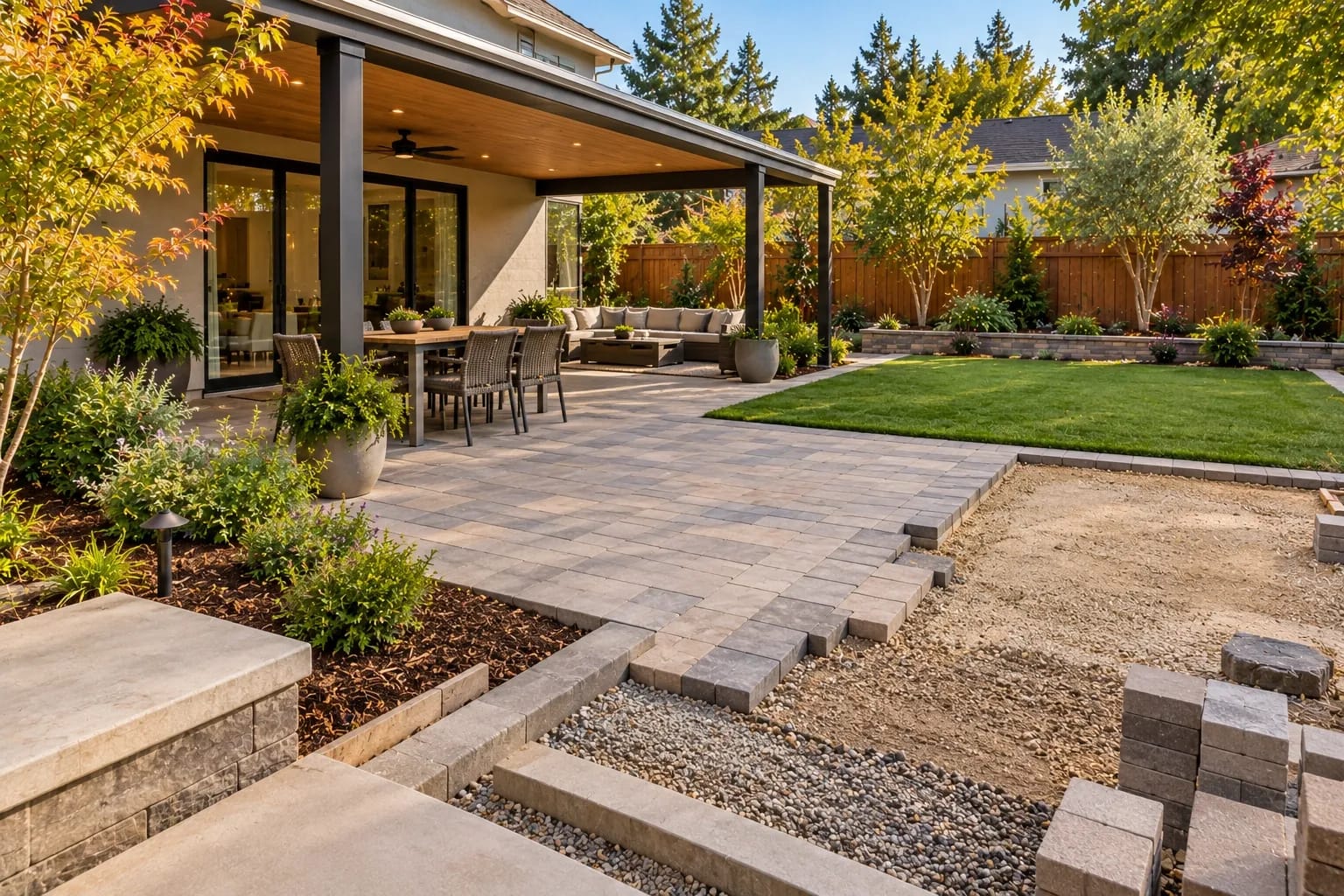
Some expenses are easy to overlook when estimating backyard construction costs. These may not appear in the initial vision for the project, but they can affect the final budget.
Demolition and disposal costs can increase when existing concrete, damaged structures, or unwanted landscaping must be removed. Drainage corrections, soil improvements, utility relocation, and difficult equipment access can also add expenses.
Other potential costs include permit fees, inspections, structural engineering, electrical work, and changes requested during construction. Not every project requires these items, so confirm which apply to your property.
Bay Area homeowners should also consider location-specific conditions. For example, properties with mature trees may face additional design or protection requirements. In wildfire-prone areas, ember-resistant landscaping considerations may also influence material and planting choices.
Keep a contingency allowance in your budget for unforeseen conditions. The appropriate amount depends on the project's complexity and the condition of the existing yard.
How to Plan and Get an Accurate Backyard Remodeling Estimate
An accurate backyard remodeling estimate starts with a clear project scope. Before requesting quotes, decide which features you want, what you intend to retain, and which improvements are essential.
Ask contractors to provide itemized estimates covering materials, labor, site preparation, demolition, and installation. Confirm whether permits, inspections, utility work, and waste removal are included or charged separately.
When comparing estimates, make sure each contractor is pricing a similar scope of work. A lower quote may exclude important tasks or use different materials, making direct comparisons misleading.
Visual planning can also help clarify your priorities. A 3D backyard rendering can help you assess the layout, material combinations, and placement of outdoor features before construction begins.
Before approving a proposal, confirm the payment schedule, expected timeline, material specifications, and process for handling changes. Clear documentation helps reduce misunderstandings and gives you a better basis for managing expenses.
Conclusion
The cost of a backyard remodel in the Bay Area depends on the project's size, materials, site conditions, and construction requirements. Small updates may fit a modest budget, while projects involving outdoor kitchens, pools, or extensive hardscaping require a much larger investment.
The best way to manage costs is to define your priorities, account for preparation and permitting, and compare detailed estimates before committing to construction.
R&R Backyard Remodeling helps homeowners throughout the Bay Area plan and build functional outdoor living spaces. If you are considering a renovation, you can contact the team to discuss your property, design goals, and budget.